
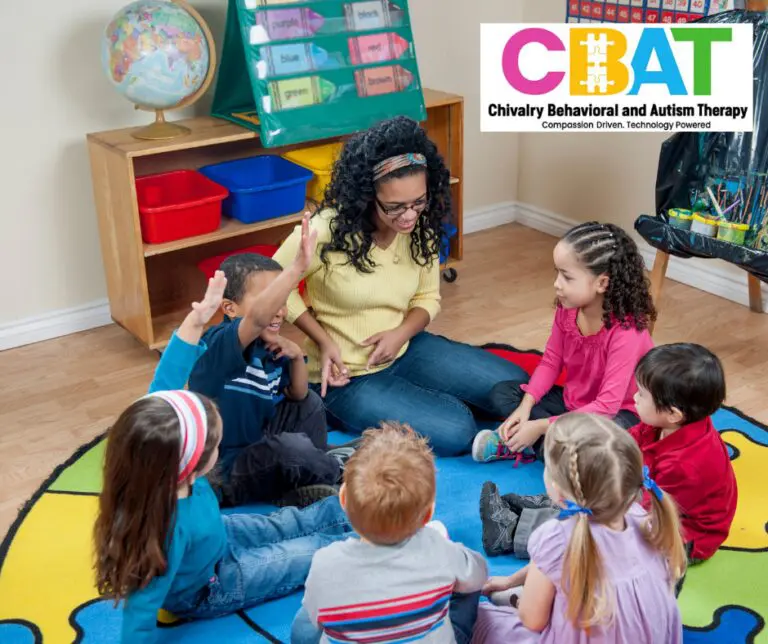
At Chivalry Behavioral and Autism Therapy, helping children develop meaningful social connections is a big part of what sets them up for long-term success both in and out of the classroom.
If you’re a parent searching for autism therapy services near you or wondering how to improve your child’s social development, understanding the importance of social skills is a great place to start.
Social skills include things like:
For children with autism, these skills can be challenging, but they are essential for:
That’s why many parents look for ABA therapy and social skills programs to give their child extra support.
Applied Behavior Analysis (ABA therapy) is one of the most effective, evidence-based approaches for helping children with autism develop social and communication skills.
At Chivalry Behavioral and Autism Therapy, social skills are taught through:
These techniques help children practice social situations in a safe, supportive environment, so they feel more confident using those skills in everyday life.
Even outside of therapy, there’s a lot parents can do to support their child’s social development. Here are some easy, practical tips you can start using right away:
Play simple games like board games or even rolling a ball back and forth. This helps your child learn patience and interaction.
Act out everyday situations such as ordering food, greeting a friend, or asking for help. This makes real-life scenarios feel more familiar.
Talk through what’s happening around them:
“Look, she’s smiling because she’s happy.”
This helps your child connect actions with emotions.
Don’t force it – just reward and praise when it happens naturally.
Arrange short, structured playdates to help your child practice interacting with peers in a low-pressure way.
While practicing at home is important, structured programs can take things to the next level. That’s where after-school social skills groups at Chivalry Behavioral and Autism Therapy come in.
These programs are designed specifically for children with autism and provide:
Parents looking for social skills groups for kids with autism in the Houston, Texas area often find that these programs make a huge difference in their child’s confidence and communication abilities.
Families throughout the area trust Houston, Texas-based Chivalry Behavioral and Autism Therapy for high-quality, compassionate care. Our team focuses on creating individualized treatment plans that meet each child where they are, while helping them grow socially, emotionally, and behaviorally.
Whether your child is just starting their autism diagnosis journey or already receiving services, adding a social skills program can be a powerful next step.
If you’re searching for:
Chivalry Behavioral and Autism Therapy is here to help.
Our after-school social skills programs are a great way to give your child the tools they need to connect, communicate, and thrive.
Reach out today to learn more about enrollment and availability.

© Copyright 2025 CBAT, All Rights Reserved. Developed by Bitnet Infotech